

IN THIS ARTICLE
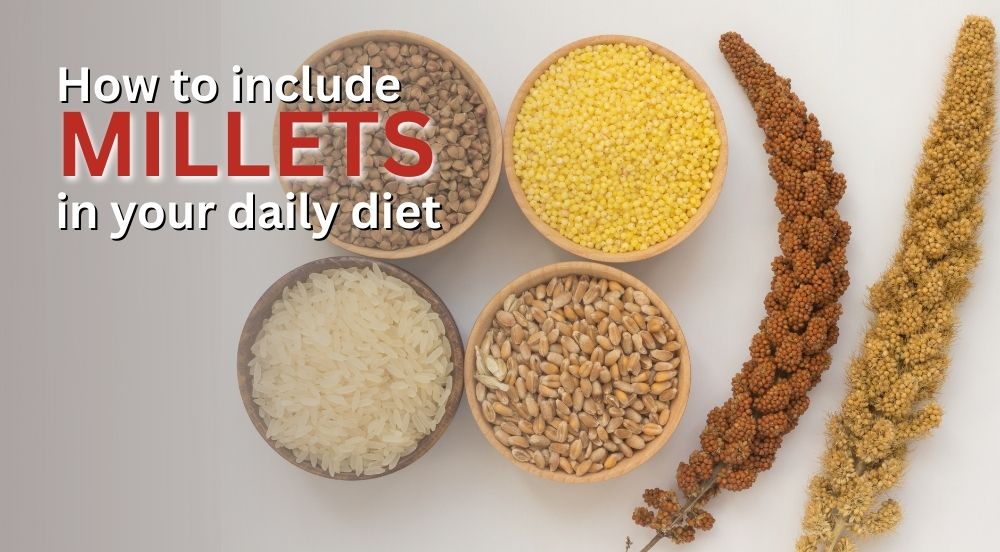
How to Include Millets in Your Daily Diet Without Changing Taste
Millets are one of the most nutritious grains available, yet many people hesitate to include them in their daily diet. The most common concern is taste. There is a widespread belief that healthy foods are not enjoyable, which often prevents people from switching to millets.
At SnaXup, we believe healthy eating should feel natural and enjoyable. Millets can easily become part of your everyday meals without altering the flavors you love.
This blog explains why millets are beneficial, how to add them gradually, and simple ways to consume millets without changing taste or routine.
Why Millets Are Making a Comeback in Indian Diets
Millets were once a staple in traditional Indian households. Over time, they were replaced by refined grains. Today, millets are regaining popularity due to increased awareness about health and nutrition.
Millets are known for:
- High fibre content
- Better digestion support
- Low glycemic index
- Long-lasting energy
They suit modern lifestyles while respecting traditional eating habits.
Health Benefits of Including Millets Daily
Consuming millets regularly offers multiple health advantages.
Key benefits include:
- Improved digestion and gut health
- Better blood sugar control
- Support for weight management
- Sustained energy levels
Millets are especially helpful for people trying to move away from refined flour and processed foods.
Common Myths About Millets and Taste
Many people avoid millets because they assume:
- Millets taste bland
- Millet food is difficult to cook
- Millets are only for weight loss diets
In reality, millets absorb flavors very well and can be used in familiar recipes without noticeable taste changes.
Easy Ways to Include Millets in Daily Diet
The key to success with millets is gradual inclusion rather than sudden replacement.
Replace Refined Grains Slowly
Instead of eliminating rice or wheat completely, start by mixing millets with regular grains.
Examples:
- Mix millets with wheat flour for rotis
- Combine millets with rice for cooked meals
- Replace refined wheat flour (Maida) with Ragi, Jowar (Sorghum), Oats. The Millet based premixes for Dosa and Idli is a good option.
This helps your palate adapt naturally.
Choose Millet-Based Snacks
Snacks are the easiest entry point for millets.Replace your snacks such as chips, cookies, Idli, Dosa etc made with Millets.
Millet-based snacks:
- Do not require recipe changes
- Maintain familiar textures
- Fit easily into daily routines
healthy snacks to replace fried namkeen
Use Millet Mixes and Ready Products
Millet mixes and blends make inclusion effortless.
They:
- Save cooking time
- Offer consistent taste
- Reduce the learning curve
This approach works well for beginners.
Millets for Weight Management Without Taste Compromise
Millets are often associated with weight loss, but they are suitable for everyone.
Because millets are fibre-rich:
- They increase satiety
- Reduce unnecessary snacking
- Help manage portion sizes
When paired with familiar spices and cooking methods, taste remains unchanged.
Millets as Part of a Healthy Snacking Routine
Millets work particularly well in snacks consumed between meals.
Benefits include:
- Better digestion than refined snacks
- Stable energy levels
- Reduced cravings
Including millet snacks helps build sustainable eating habits.
healthy snacking habits recommended by nutritionists
Millets and Immunity Support
Millets provide essential nutrients that support overall immunity.
They contain:
- Minerals like iron and magnesium
- Antioxidants
- Plant-based protein
When combined with nuts and dry fruits, they become a powerful daily nutrition source.
dry fruits for immunity daily diet
Millets for Working Professionals and Busy Lifestyles
People with busy schedules often avoid millets thinking they require extra effort.
In reality:
- Millet mixes are quick to prepare
- Millet snacks are easy to carry
- Millets suit structured eating routines
They are ideal for professionals aiming for healthier food choices.
instant premix foods for working professionals
How to Maintain Taste While Eating Millets Daily
Taste depends more on preparation than ingredients.
Tips to maintain taste:
- Use familiar spices and seasoning
- Combine millets with known ingredients
- Avoid drastic overnight changes
Gradual adoption ensures long-term success.
FAQs: Including Millets in Daily Diet
Q1. Can I eat millets every day?
Yes. Millets can be consumed daily as part of a balanced diet.
Q2. Do millets taste different from rice or wheat?
Millets have a mild flavor that blends well with spices and familiar recipes.
Q3. Are millets suitable for children?
Yes. When prepared properly, millets are nutritious and suitable for children.
Q4. Can millets help with digestion?
Yes. Their high fibre content supports gut health and digestion.
Q5. Are millet snacks better than refined snacks?Yes. Millet snacks offer better nutrition and sustained energy.Final Thoughts
Including millets in your daily diet does not require sacrificing taste or comfort. With gradual changes and smart choices, millets can easily blend into your everyday meals and snacks.
Healthy eating works best when it feels effortless and enjoyable.
Our Millet based products are :
| Ragi Chips | Rs. 309.00 |
| Soya Chips | Rs. 309.00 |
| Oats Chips | Rs. 309.00 |
| Moong Dal Chips | Rs. 309.00 |
| Beetroot Chips | Rs. 309.00 |
| Ragi Cookies | Rs. 449.00 |
| Jowar Cookies | Rs. 449.00 |
| Multigrain Cookies | Rs. 449.00 |
| Honey Oats Cookies | Rs. 449.00 |
| Ragi Idli | Rs. 375.00 |
| Oats Idli | Rs. 375.00 |
| Quinoa Idli | Rs. 375.00 |
| Multigrain Idli | Rs. 375.00 |
| Jowar Dosa | Rs. 449.00 |
| Ragi Dosa | Rs. 449.00 |
| Oats Dosa | Rs. 449.00 |
| Quinoa Dosa | Rs. 449.00 |
| Multigrain Dosa | Rs. 449.00 |